
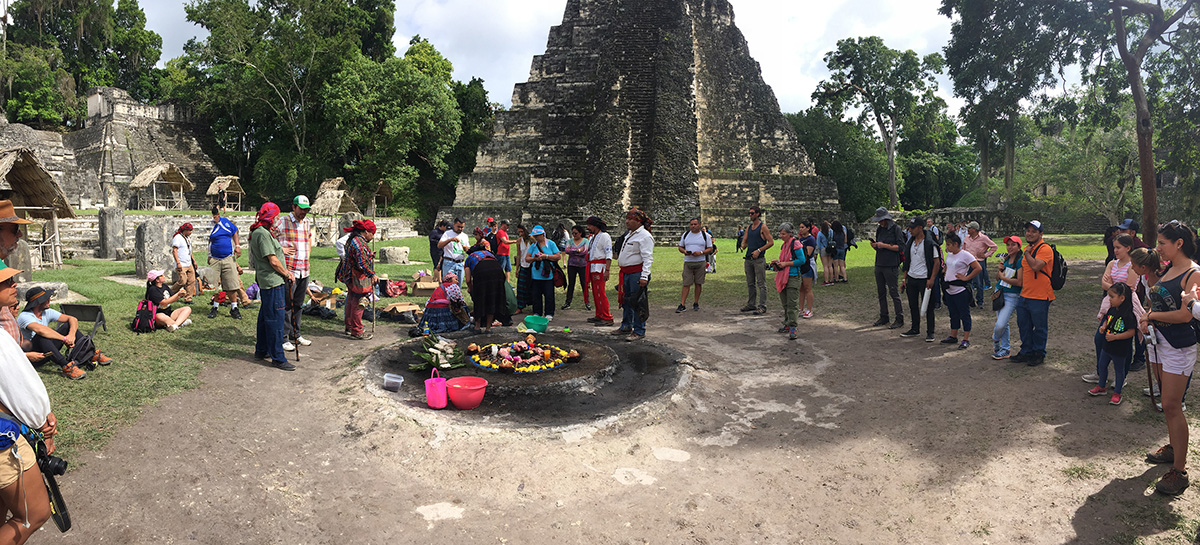
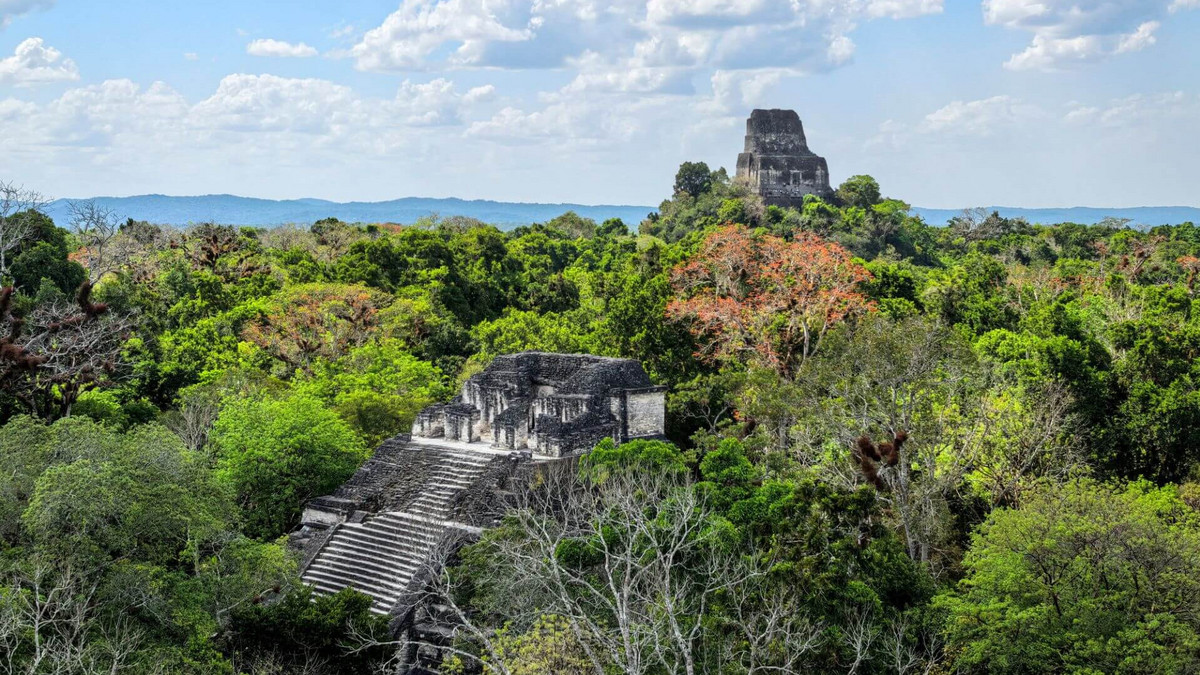
For the longest time, when I thought of pre-colonial Indigenous life in Central and North America, I envisioned peacefully undisturbed and synchronous communities. Yet, after some digging and with some common-sense recall of distant school lessons, I have realized that the threat of new groups and innovations of all kinds has always been there. Living with the unknown lurking around the corner has always been part of human life. Take the Maya and the great transformation of their rich civilisations. Influenced by the many factors we see today: climate change, technological advancements, agricultural, political, and societal disruptions, and disease. Sound familiar?
On the other side of the same coin, we also see a history of communities fighting to preserve their goods, protect their people, and retain their wisdom. What’s the difference today? Well, there is a lot of similarity, but the starkest contrast I can surmise is the fog we are all collectively navigating in isolating ways.
Arguably, since the Industrial Revolution, we have heavily depended on continued tech improvements as the source of stability for our economy, urban infrastructure, societal norms, and individual careers for families. Founded on a deeply flawed foundation of capitalistic, racist, and patriarchal values, we have challenged a lot of these notions and structures over centuries, but this time feels unique. I suppose every generation feels its experience uniquely, but what will history books say about this era?
Because of our online presence, we are overly aware of everything; we are constantly living in an abyss of lonely suspicion and information. We are left with a craving for truth and connection. The “enemy” or threat is blurred, vast, and hard to pinpoint in our everyday lives, like a dispersed horcrux, living underneath our noses (IYKYK). The word “community” has been co-opted in so many forms that it’s hard to know if you’re living in community or simply performing it all.
So how did the Maya rebuild from their great disruptions? In an extreme oversimplification, they adapted, retained wisdom, decentralized power, and relied on each other. We, today, have done that, and we can do that.
As one of our leading internet philosophers regularly asks, “So what’s your take?”
I’m calling upon the wisdom of community leaders from the past and present to live an act in consciousness of our community. To take it a step further, my personal take is that how we earn income for a living should decentralize the powerful systems that have us in a constant chokehold. We must turn inward and around us for knowledge, the courage to keep going, and to leave a foundation for future generations.
My observations of the job market since the pandemic, coupled with my own lived experience as a professional and a first-generation person across various systems and communities, spurred me to address this head-on. I want to support my fellow professionals, exhausted from running the hamster wheel, isolated on the ladder, and thinking beyond the present, by equipping them with a timeless toolbox.
🎵 Cue angelic music🎵
Introducing my new workshop - Job Market Resiliency with Jo. A 3-hour-ish workshop where I guide you in conversation and self-reflective activities in a validating space, rooted in sharing with others and supporting our communities.

Sunday, May 31, 2026 | 9 AM - 12 PM PDT | Learn More
What wisdom do we want future generations to inherit from us?
What will we feel proud of in the future for what we fought to preserve?
There are many guiding questions to ask, and the most tangible, real, and time-sensitive way to approach them is through how we build and distribute wealth. I hope you will join me soon.
-Jo
SOURCES - While this isn’t a formal article, I did reference some cool articles on Maya history.
Was this forwarded to you by a friend? Don’t miss a post and sign up for the J.O. Strategies newsletter.